Six Game Modes and Dynamic Weather: What to Expect from Hell Let Loose: Vietnam
Hell Let Loose: Vietnam is introducing six game modes and dynamic weather, bringing massive tactical changes to Expression Games' upcoming shooter.
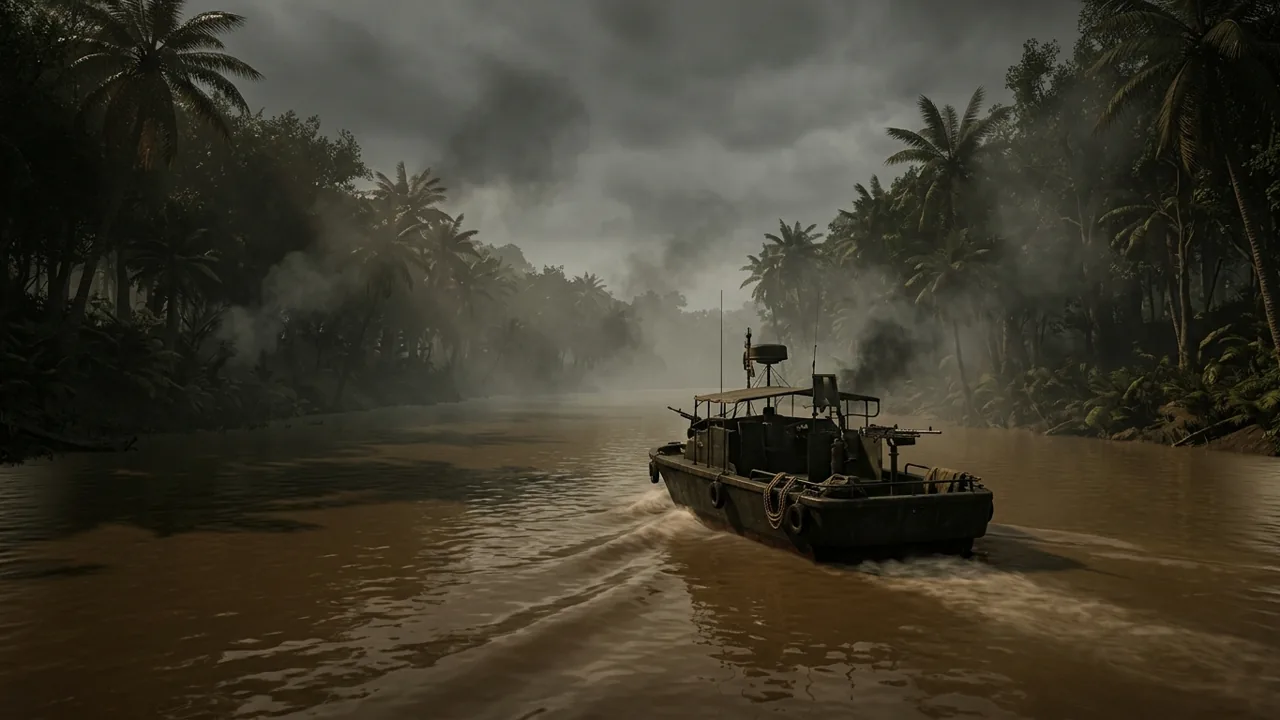
The tactical multiplayer shooter landscape is gearing up for a significant shift as Expression Games and Team17 prepare to launch Hell Let Loose: Vietnam. Following a massive open beta that drew in over 350,000 players, the developers made the decision to push the release date to August 13, 2026. This extra development time is aimed squarely at polishing performance and optimization. However, recent gameplay breakdowns have highlighted several key features that players can expect when they head into the jungle.
Six Game Modes at Launch
While the franchise’s traditional Warfare and Offensive modes will return, Hell Let Loose: Vietnam will feature a total of six distinct game modes at launch. The four new modes have not yet been fully detailed by Expression Games. However, they are expected to leverage the asymmetrical design of the factions and the verticality of the new theater.
Given the prominent role of helicopters and tunnel networks in the game, community speculation suggests these modes could involve protecting crucial landing zones or conducting search-and-destroy operations through underground complexes.
Dynamic Weather and Visual Upgrades
Built from the ground up in Unreal Engine 5, the game aims to push visual fidelity beyond the European battlefields of its predecessor. One of the major additions is dynamic environmental effects, including lighting and weather variants across the game’s six launch maps.
Weather in the Vietnamese jungle is not just cosmetic; it is a core tactical element. Heavy rain and thick mist will reportedly reduce visibility, allowing North Vietnamese forces to close the distance and execute close-quarters ambushes. Conversely, clear skies will favor US air assets and long-range fire support, forcing players to adapt their movement and positioning to the atmospheric conditions.
Asymmetrical Vehicle Warfare
The transition to the Vietnam War introduces brand-new vehicle systems. In addition to helicopters, both factions will navigate complex river systems using heavily armed patrol boats. Riverine warfare represents a major departure from the original game’s land-focused vehicles.
With both sides fighting for control of delta regions and riverbanks, coordinating patrol boat deployments with ground squads will be essential. This asymmetrical matchup—US air mobility and heavy firepower versus NVA tunnel networks and stealth—defines the tactical loop, ensuring that victory relies on team coordination rather than solo runs.