Hell Let Loose: Vietnam Hotfix 1 Drops Amid Steam Charts Success and Squad Leader Loadout Backlash
Expression Games releases Hotfix 1 for HLL: Vietnam, addressing AMD crashes and PS5 audio bugs, while players debate SL loadout changes and missing QoL features.
Following a highly anticipated and undeniably turbulent launch week, Hell Let Loose: Vietnam has officially solidified its position in the multiplayer landscape. Expression Games and Team17 have seen their ambitious 50v50 tactical shooter debut strongly on the global Steam Charts, proving that the demand for hardcore, historically grounded asymmetrical warfare remains incredibly high in 2026. However, surviving the dense jungles of the Vietnam War requires more than just impressive sales numbers; it requires server stability, optimized PC performance, and a community that works together cohesively.
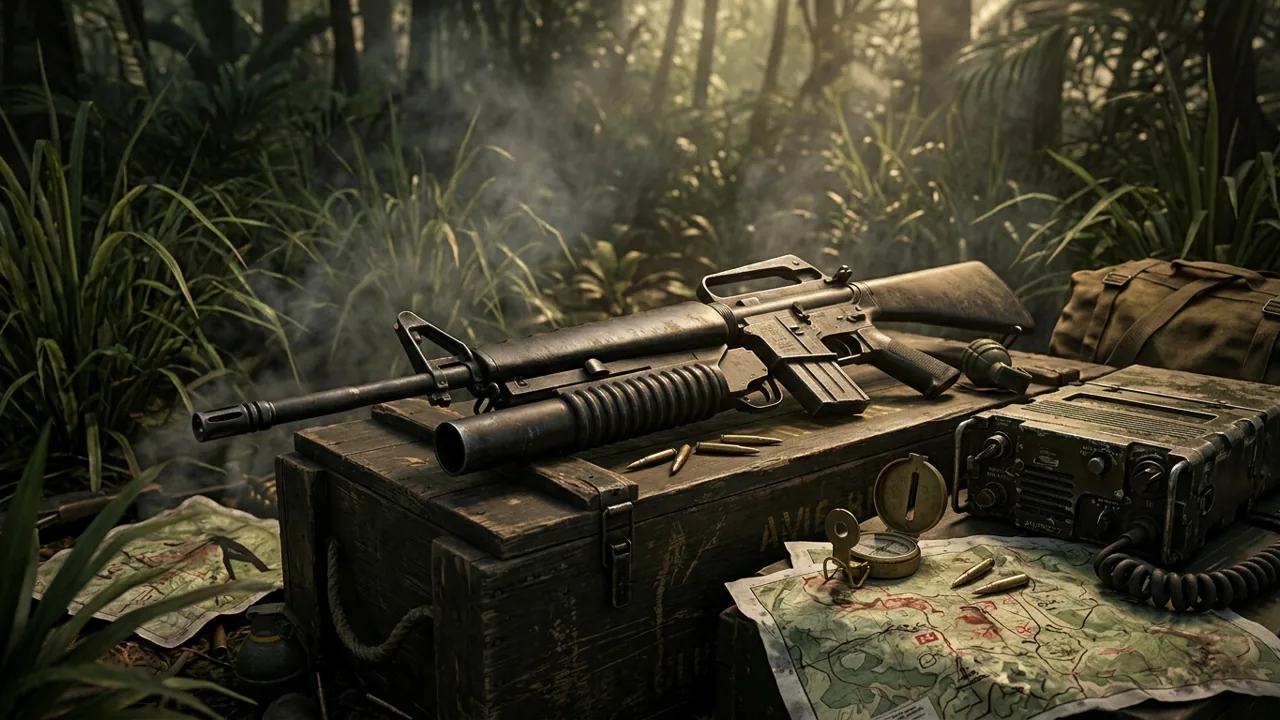
To address the immediate technical hurdles that plagued the release, the developers have rapidly rolled out Hotfix 1. This crucial patch specifically targets severe AMD graphics crashes, game-breaking audio dropouts on the PlayStation 5, and persistent server browser glitches. But while the technical fires are actively being put out by the development team, a new conflict is brewing directly on the community forums. Veteran players are currently locked in heated debates regarding unannounced changes to the Squad Leader loadouts—specifically the unexpected removal of the M16 equipped with an underbarrel grenade launcher—and the glaring absence of basic Quality of Life (QoL) features like persistent party chat and custom display names.
In this update, we break down exactly what Hotfix 1 addresses, analyze the community backlash surrounding the vital Officer roles, and look at the emerging anti-air meta that is coming to define the Vietnam experience.
Hotfix 1: Squashing AMD Bugs and Restoring PS5 Audio
The transition from the war-torn European theater of World War II to the dense, humid environments of 1960s Vietnam brought a massive visual overhaul to the franchise, heavily utilizing the power of Unreal Engine 5. However, this graphic leap forward introduced severe growing pains for specific hardware configurations. As we noted in our recent analysis of PC performance issues, users with AMD GPUs were bearing the brunt of the launch instability. Players reported frequent, hard desktop crashes when transitioning between heavily forested areas and open rice paddies, as well as severe visual stuttering when the dynamic weather system introduced heavy rain.
Hotfix 1 directly addresses these critical AMD GPU stability problems. While the official patch notes are concise, early community response indicates a noticeable improvement in frametimes and a drastic reduction in mid-match crashes for AMD users. This is a vital fix; a single crash in a tactical shooter can mean losing your spot in a full 100-player server, forcing you to wait in agonizingly long queues just to rejoin your squad.
Console players also received a major lifeline in this update. PlayStation 5 operators have been plagued by a highly disruptive bug where all in-game audio would abruptly cut out during matches. In a game entirely reliant on sound—from the distant thwomp of incoming artillery to the distinct mechanical clatter of a Viet Cong Type 56 assault rifle echoing through the trees—losing audio is functionally a death sentence. The hotfix successfully patches this PS5 audio dropout, restoring the terrifying and immersive soundscape that makes the tactical experience so compelling.
Furthermore, Expression Games has focused heavily on backend server health. The hotfix introduces additional official servers to accommodate the massive influx of players, which should help alleviate the severe bottlenecks we saw during the launch day server issues. The server browser has also seen significant improvements, resolving annoying bugs that displayed incorrect player counts or prevented full squads from joining matches together.
Debuting on the Steam Charts
Despite the rough edges at launch and the $40 price tag, the game’s commercial performance has been exceptional. According to recent industry reports and tracking data from VGChartz, Hell Let Loose: Vietnam has successfully debuted in the top tiers of the Steam Charts. It shares this launch window spotlight with other highly anticipated multiplayer titles like No More Room in Hell 2.
This commercial success highlights a clear trend within the PC and console markets: gamers are hungry for tactical, squad-based shooters that demand communication, patience, and strategy over pure reflexes. The asymmetrical warfare mechanics—pitting the heavy air mobility and raw firepower of the US Army against the deeply entrenched tunnel networks and guerrilla ambush tactics of the NVA and Viet Cong—have successfully captivated both returning veterans of the franchise and brand-new players looking for a more demanding first-person shooter experience.
The Squad Leader Loadout Controversy
While the technical state of the game is actively improving, the community is currently up in arms over reportedly undocumented changes made to the class loadouts between the final pre-launch playtest and the official 1.0 release. The most contentious point of debate centers entirely around the Squad Leader (Officer) role.
During the beta phases, the US Squad Leader had access to an incredibly popular and highly effective loadout featuring an M16 rifle equipped with an underbarrel grenade launcher. This attachment was widely considered essential for the role. It allowed Officers to accurately lob smoke grenades to mark targets for their squad, provide immediate explosive suppressive fire against fortified tree lines, and clear out suspected Viet Cong tunnel entrances from a safe distance before pushing their infantry forward into the danger zone.
In the official launch build, this specific weapon configuration was quietly removed from the Squad Leader class and shifted over to specialist infantry roles. This design decision has sparked massive backlash across Reddit and community forums. The Squad Leader role is already arguably the most stressful position in the entire game. Officers must simultaneously listen to two separate voice channels (Command chat and Squad chat), constantly update map markers, beg their squad for supplies, and risk their lives to build Garrisons and Outposts behind enemy lines.
Many dedicated Officers argue that removing their favorite and most versatile weapon attachment heavily discourages players from volunteering for this crucial leadership role. The logic circulating within the community is clear: if players are forced to choose between leading a squad with restricted weaponry or playing a basic specialist class to access the fun tactical tools like the underbarrel grenade launcher, many will simply abandon the Officer role altogether. This directly exacerbates the dreaded “mute squad” phenomenon—groups of six players running around aimlessly with no Officer to relay Commander orders or place crucial spawn points. Players are actively petitioning the developers to revert this change and return the grenade launcher to the Squad Leader to incentivize taking on the heavy burden of leadership.
The Growing Pains of Communication and QoL Features
The frustration over the Squad Leader loadouts feeds into a larger, overarching issue currently plaguing the player base: a severe lack of communication and teamwork from newcomers. Veteran players who have spent thousands of hours mastering the original WWII mechanics are expressing mounting exhaustion. Social channels are currently flooded with complaints about new players treating the large-scale 50v50 battles like a casual team deathmatch, ignoring their specific class roles, refusing to use microphones, and completely failing to build the essential US Garrisons or NVA Tunnels required to maintain map control.
Compounding this frustration is the glaring absence of basic Quality of Life features that could help clans and friend groups organize better. A highly upvoted community request specifically highlights two massive omissions: the inability to change display names and the lack of a proper party voice chat system.
Currently, your in-game name is strictly locked to your platform or Epic Games account name. There is no built-in option to set a custom alias or add clan tags. This is a significant pain point for gaming communities, streamers, and roleplay enthusiasts who want a clean, immersive callsign on the battlefield without altering their overarching platform identity. In a game that relies so heavily on unit cohesion and identifying leaders by name, having customizable display names is seen as a basic necessity.
Even more problematic is the lack of a dedicated party voice channel that persists across the main menu lobby and into the actual match. Coordinating with friends before deploying into a server is incredibly awkward, forcing players to rely entirely on third-party software like Discord. However, relying on Discord isolates these players from the crucial in-game proximity voice chat and command networks. Implementing a proper party system would dramatically improve the user experience, allowing groups of friends to coordinate their roles and plan their helicopter insertions before the match even begins.
Emerging Meta: The Anti-Air War
As players slowly learn the ropes and adapt to the asymmetric warfare, the tactical meta is rapidly evolving. One of the most discussed topics in the community right now is how to effectively counter the US faction’s biggest strategic advantage: the UH-1 Huey transport helicopters.
With US forces relying heavily on air mobility to bypass the treacherous jungle terrain, cross rivers, and establish mid-air spawns behind enemy lines, the NVA and Viet Cong teams are desperately formulating anti-air strategies. The conversation has grown so large that even mainstream tracking sites are indexing guides on how to shoot down helicopters in the game.
While we are preparing a comprehensive weapons guide detailing the exact damage values for all factions, the community consensus is already clear. Dedicated NVA anti-tank players are learning the precise lead times required to hit the tail rotors of fast-moving Hueys with their RPG-7s, resulting in spectacular, spinning crashes into the jungle canopy. Meanwhile, standard infantry squads are realizing that massed, concentrated fire from Type 56 assault rifles and light machine guns is surprisingly effective at shredding the unarmored troop compartments of helicopters attempting to land in contested hot zones. The dynamic between the vulnerable but highly mobile US air cavalry and the hidden, deeply entrenched anti-air ambushes of the NVA has quickly become the defining characteristic of this new theater of war.
What Comes Next?
Expression Games has proven with the rapid deployment of Hotfix 1 that they are capable of quickly addressing critical stability issues and server infrastructure problems. However, the studio now faces a much more delicate challenge: balancing community feedback regarding class loadouts and Quality of Life features while maintaining their intended vision for hardcore, asymmetric tactical gameplay.
As the player base continues to settle and the meta solidifies around air assaults and tunnel networks, clear communication from the developers will be essential. Players are eagerly awaiting official responses regarding the Squad Leader’s missing grenade launcher and the potential implementation of basic features like custom display names. Stay tuned to our wiki for further updates as they happen, and be sure to read our beginner guide if you are struggling to survive your first few drops into the unforgiving jungle.