Weapon Asymmetry and the Scavenging Debate in Hell Let Loose: Vietnam
Analyzing the tactical differences between the M60 and RPD, community requests for weapon variants like the XM177E2, and the ongoing debate over battlefield scavenging.
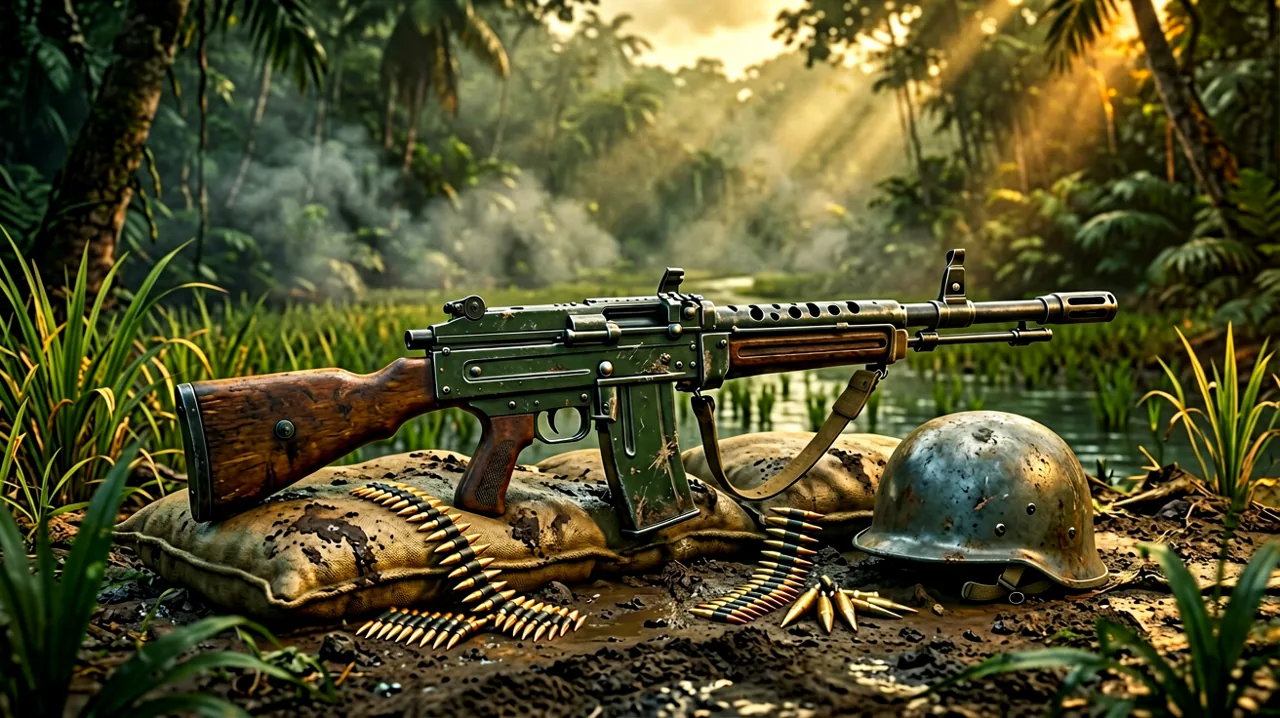
As Expression Games and Team17 steer toward the highly anticipated August 13, 2026 release of Hell Let Loose: Vietnam, the game’s community is heavily invested in dissecting the arsenal that will define the jungle warfare experience. The asymmetrical nature of this conflict—pitting the helicopter-borne air mobility of the US forces against the elaborate tunnel networks and ambush tactics of the NVA and Viet Cong—places a massive emphasis on weapon balance. Recently, conversations across the player base have centered on three major pillars: the heavy suppression disparity between the M60 and the RPD, the potential inclusion of tactical weapon variants like the XM177E2, and a contentious debate regarding battlefield weapon scavenging.
This shift in focus highlights how much the tactical shooter landscape has evolved since the original 2021 World War II title. With six dense maps planned for launch and a fundamental redesign of how terrain dictates movement, understanding these weapon dynamics is crucial for any player looking to master the upcoming title.
The Machine Gun Asymmetry: M60 vs RPD
The Machine Gunner role has always been a vital component of squad composition, responsible for locking down firing lanes and providing the suppressive fire necessary for infantry advances. In Hell Let Loose: Vietnam, this dynamic is brought to life through a stark contrast in faction hardware. The recent release of Episode 4 of the “Inside the Armoury” series—produced in collaboration with the Royal Armouries partnership—features firearms expert Jonathan Ferguson breaking down the iconic M60 and the RPD light machine guns.
The US M60, affectionately known as “The Pig,” is a hulking piece of machinery. In the context of the game’s mechanics, it offers unparalleled suppressive capabilities. When an American squad disembarks from a UH-1 Huey into a hot landing zone, the M60 is designed to immediately establish a base of fire. Its heavier caliber and sustained fire rate make it perfect for dominating open spaces, such as the rice paddies or the wide river deltas seen in the riverine combat systems. However, its sheer weight and cumbersome handling mean that positioning is everything. Moving through the dense foliage of the Unreal Engine 5-rendered jungles with an M60 leaves players highly vulnerable to sudden ambushes.
Conversely, the NVA relies on the RPD light machine gun. This drum-fed, belt-operated weapon is significantly lighter than the M60, reflecting the North Vietnamese forces’ need for extreme mobility. While it may not output the exact same volume of devastating suppression over long ranges, the RPD allows NVA gunners to relocate quickly after firing, a tactic essential when navigating the extensive underground tunnel systems. In our factions guide, we noted that the NVA excels in hit-and-run engagements. The RPD perfectly complements this philosophy, enabling machine gunners to pop out of a concealed tunnel entrance, lay down a blistering barrage, and retreat into the earth before US artillery or close air support can respond. This asymmetric balance ensures that a machine gunner on the US team plays an entirely different positional game than their counterpart on the NVA side.
The Push for Tactical Variants: XM177E2 and Type 56-1
While the core weapons guide covers the standard issue M16A1s and AK-pattern rifles, players are vocal about the need for tactical variants that cater to specific engagement distances. A prominent community request currently gaining traction is the addition of the US XM177E2 carbine and the NVA Type 56-1 underfolder.
The standard M16A1, while highly accurate, is a long weapon. In the claustrophobic environments of Hell Let Loose: Vietnam—where visibility is often limited to a few meters due to thick underbrush and dynamic weather systems—long-barreled rifles can feel sluggish when snapping to target. The proposed XM177E2, historically utilized by MACV-SOG and Air Force security personnel, features a much shorter 10.5 to 11.5-inch barrel and a distinctive moderator. If implemented, players argue it could serve as a 3-weight point weapon within the game’s loadout system. This lower weight would grant players increased stamina regeneration or allow them to carry additional utility items like smoke grenades or specialized explosives. Furthermore, the moderator on the XM177E2 alters its acoustic signature. Sound design is paramount in this game; being able to identify enemy positions based on muzzle reports is a required skill. A weapon that sounds distinct from the standard M16 could sow confusion on the battlefield or allow specialized squads to operate with a slightly lower acoustic profile.
For the NVA, the Type 56-1 underfolder offers a similar tactical advantage. By folding the stock, players would theoretically benefit from faster aim-down-sight (ADS) speeds and better maneuverability within the confined spaces of the tunnel networks. Giving both factions access to these compact variants would heavily impact close-quarters engagements, particularly when fighting over contested underground command posts or clearing heavily fortified village structures. Though these weapons are currently unconfirmed by Expression Games, their inclusion would naturally complement the gritty, close-range realities of the Vietnam theater.
The Controversial Scavenging Debate
Perhaps the most heated discussion currently dominating the community spaces revolves around a seemingly simple mechanic: weapon scavenging. In the 2021 original game, players could not pick up weapons dropped by fallen enemies or allies. You spawned with your class-specific loadout, and you died with it. This restriction enforced strict adherence to the roles and classes guide. If your squad’s anti-tank player went down, you couldn’t simply pick up their bazooka; you had to protect them or rely on other strategic assets.
However, the chaotic nature of the Vietnam War has sparked debate over whether Hell Let Loose: Vietnam should introduce a limited scavenging system. Proponents of the idea argue that scavenging fits the historical context perfectly. It was not uncommon for MACV-SOG units to carry captured AK-47s to disguise their acoustic footprint, nor was it unusual for Viet Cong fighters to utilize captured US M16s or M60s. Fans of the mechanic suggest that allowing players to scavenge a downed enemy’s weapon could lead to incredible, unscripted moments—such as a lone surviving VC rifleman picking up a dropped M60 to hold a bunker against a US assault.
Opponents, however, raise valid concerns about the fragility of the game’s carefully tuned asymmetric balance. The entire meta of the game is built around distinct faction advantages. If US troops can easily acquire NVA weapons, they might bypass the logistical challenges designed specifically for their faction. More importantly, it threatens to dilute the class system. If a Rifleman can loot a sniper rifle or a light machine gun off a corpse, the necessity of the Sniper or Machine Gunner roles diminishes significantly.
To compromise, community theorists have proposed strict rulesets if scavenging is ever implemented. These proposed limitations include:
- Extended Animation Times: Picking up a weapon would require a long, vulnerable animation, making it a massive risk during active firefights.
- No Ammo Replenishment: A scavenged weapon cannot be reloaded using standard supply drops. Once the current magazine or belt is empty, the weapon becomes useless dead weight.
- Faction Restrictions: Players might only be able to scavenge weapons from their own faction, allowing a Rifleman to pick up a fallen squadmate’s gear, but preventing the cross-pollination of US and NVA arsenals.
Currently, this feature is strictly community-reported and has not been confirmed by the development team. Whether Expression Games will experiment with such a system during upcoming pre-launch playtests remains to be seen, but the intensity of the debate proves how deeply players care about the game’s tactical integrity.
Looking Ahead to the Jungle
As we move closer to the expected August 13, 2026 launch on PC, PlayStation 5, and Xbox Series X|S, the granular details of infantry combat are coming into sharper focus. The lack of crossplay between PC and console platforms means that separate metas may organically develop, dictated by controller vs. mouse-and-keyboard aiming capabilities. However, the foundational design choices—such as the heavy suppression of the M60, the hit-and-run utility of the RPD, and the potential impact of weapon weight classes—will remain universal.
Hell Let Loose: Vietnam is not merely reskinning its World War II predecessor. By introducing complex verticality through helicopters, subterranean depths through tunnels, and a weapon sandbox that forces players to choose between raw firepower and maneuverability, the developers are crafting an entirely new tactical puzzle. Whether the community’s demands for the XM177E2 and experimental scavenging mechanics are ultimately realized, the ongoing dialogue ensures that the game’s meta will be fiercely contested from the moment players first deploy into the jungle.